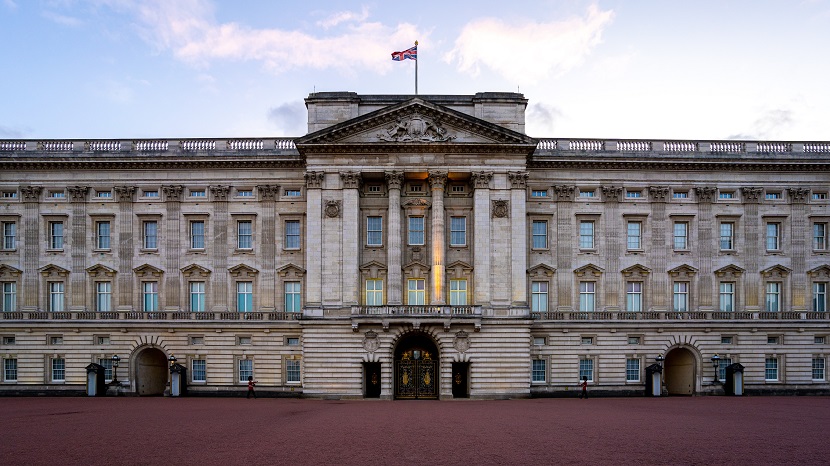
The British economy enters a new era with the passing of Queen Elizabeth II. But, this one will be rife with waning national morale and economic insecurity.
At 96, the queen was the longest-reigning monarch in British history. She passed away “peacefully” on Thursday at Scotland’s Balmoral Castle, hours after medical professionals had raised alarm about her failing health.
The queen had come to represent a rare stability in a world of continual change over her 70-year reign. Her reign saw the aftermath of World War II, the dissolution of Britain’s huge empire, the Brexit vote in 2016, and a pandemic. Her eldest son was named King Charles III hours after she passed away.
No government statements will be made until after her funeral, which will be observed with a public holiday in about 10 days. Her passing will be commemorated by a time of mournful ceremonial.
The suspension of regular politics comes just days after the UK installed Liz Truss as its new prime minister. The Queen appointed Truss on Tuesday as part of her last official public duty.
Truss takes office at 10 Downing Street as Britain experiences a period of unprecedented change. She inherits a nation with the worst economic outlook in years, a worsening energy crisis, and rising inequality.
Hours before the queen passed away, Truss got to work revealing her strategies for addressing the U.K.’s cost-of-living crisis. She unveiled a significant stimulus plan meant to assist Britons with their rising energy costs as a result of Russia’s war in Ukraine.
The Treasury estimates that the over £100 billion package will reduce peak inflation by 4-5 percentage points. However, experts have cautioned that by encouraging spending on goods and wages, the measure could make the Bank of England’s already difficult mission of containing record-high prices even more difficult.
In an effort to lower inflation, which is currently the highest among the G-7 countries at 10.1%, the UK’s central bank raised the benchmark rate by the most in 27 years last month, to 1.75%. When the BoE meets the following week, investors had largely anticipated another rate increase of 50 basis points. However, some now believe that the BoE will be obliged to raise rates higher and faster.
The bleak picture coincides with mounting recessionary dangers for the nation. Following prior predictions from the Bank of England, Goldman Sachs issued a warning this week that the UK could experience a recession in the fourth quarter of this year.
The British pound has been falling over the previous few months and dropped to a 37-year low on Wednesday of $1.1469.
This puts additional strain on King Charles and Truss, the two new leaders of Britain, who will be tasked with mobilizing the populace during a moment of crisis. Later on Friday, the two are scheduled to meet in London.